Hard-Earned Wisdom from a 70-Year-Old Trekker
Climbing Kilimanjaro After 70
At Embark Exploration Co., we’ve guided hundreds up Africa’s tallest mountain. But when one of our incredible clients—70 years young—offered their advice to fellow adventurers over 65, we knew we had to share it.
Whether you’re dreaming of Kilimanjaro in your golden years or already prepping for the trek, this is gold. Straight from experience, here’s what they had to say.
🕒 1. Start Early—Really Early
Don’t rush it. Think of this not just as a trip, but as a long-term goal—like training for a marathon. Start walking or hiking daily, ideally in the boots you’ll be wearing on Kilimanjaro. Let your body and your gear become best friends.
🏋️♂️ 2. Discipline Beats Motivation
This isn’t just physical training—it’s mental conditioning. The rainy days, the tired days, the “do I really have to hike today?” days… they’re all part of it. And yes, take a day off a week—and pat yourself on the back for it.
🔄 3. Don’t Beat Yourself Up—But Bounce Back
A missed workout isn’t failure. Just course-correct and keep moving forward. Resilience is part of the process.
📋 4. Trust the Training Plan (and Maybe a Trainer)
Training will shift from casual walks to full-on conditioning. Weight training matters—especially lunges. The descent taxes your legs in new ways, and strengthening those muscle groups can make the difference between smooth sailing and soreness.
🥗 5. Eat for the Climb—Now and Later
Your nutrition matters more than you think. Whether you’re heart-conscious, gluten-free, or just trying to eat better, now’s the time to build habits that fuel endurance.
And once you’re on the mountain? Eat. Drink. Fuel. Repeat. Especially during and after summit night.
💧 6. Hydrate Like a Pro
This isn’t just a suggestion—it’s essential. Hydration helps with altitude adjustment and energy levels. And for those on Diamox, bring a pee bottle for nighttime. Trust this advice. Especially over 65, comfort equals success.
⛰️ 7. The Descent is Tougher Than You Think
People often fixate on the summit—but forget that coming down is physically demanding. Tired muscles, high emotion, and gravity are not the best mix. Extend those trekking poles a couple inches, keep sipping water, and don’t forget to eat even when you’re exhausted.
🧘 8. Stay Present—One Step at a Time
Each day brings beauty, camaraderie, and small victories. Don’t miss them by always looking ahead. But when that final night comes…
🧠 9. Summit Night: Mental Game On
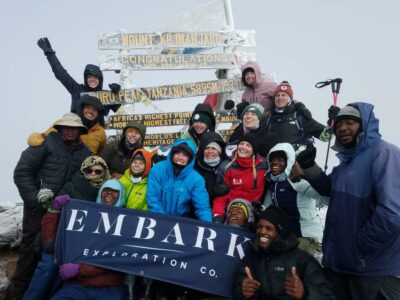
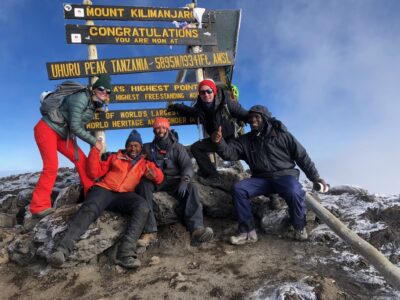
You trained for this. Those cold mornings when you didn’t want to move? They’ve built your grit. Think positive. Keep your mind strong. Watch the sunrise at Stella Point and know you’ve done something remarkable.
And if you’re spiritual or religious, this is the moment to call in your higher powers.
🎉 10. Celebrate Uhuru—but Fuel Up!
Soak it all in. Breathe. Take your photos. Let it sink in. And then… eat, drink, and ready yourself for the journey down.
🌟 In Closing: You Are Capable
You’ve trained. You’ve prepared. You’ve shown up.
“Know that you are capable and that you have trained hard for this.”
Age is not a limitation—it’s a lens through which you’ve learned resilience, wisdom, and determination. You’ve got this.